


When Donald Trump pardons a billionaire for laundering money, it’s not just corruption — it’s colonial psychology at work. It’s the reenactment of an old imperial ritual: absolution for the elite, punishment for the poor.
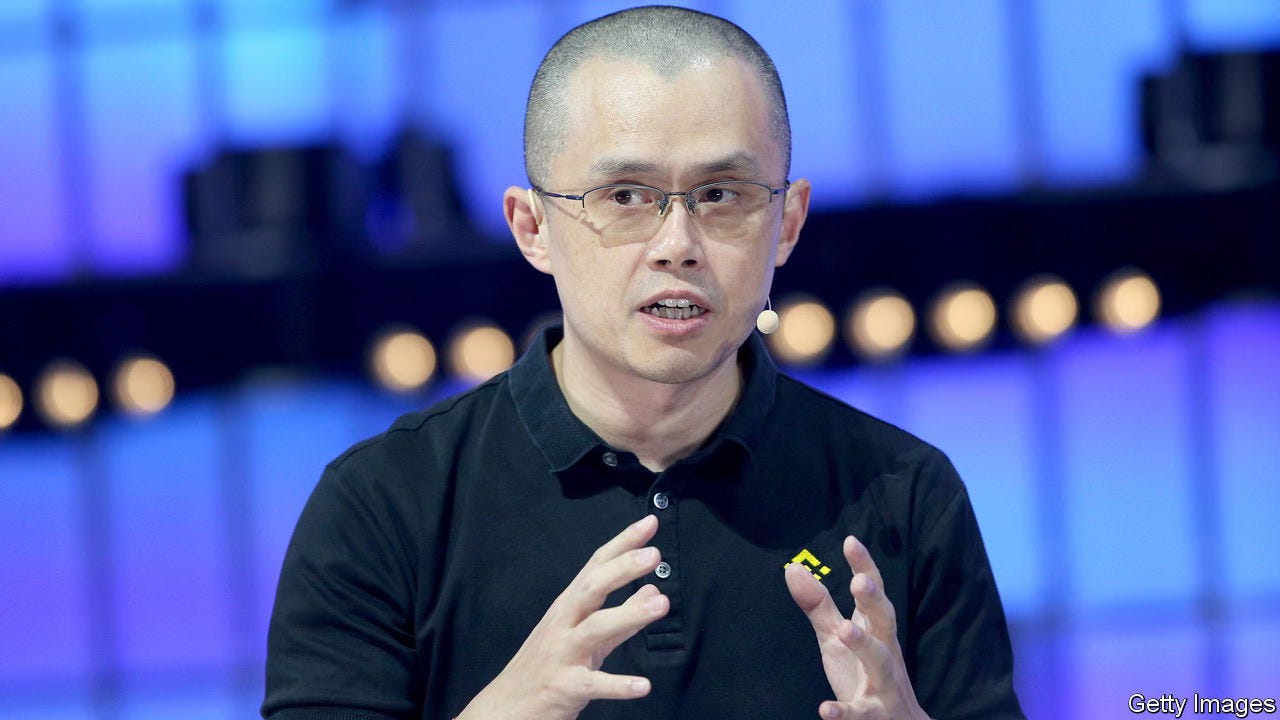
Changpeng Zhao, the Chinese-born Canadian founder of Binance, pleaded guilty to enabling money laundering — a multi-billion-dollar crime that destabilized markets and exploited global loopholes. He served four months in prison. Four. And today, he walks free, sanctified by the same man who once claimed he could “stand in the middle of Fifth Avenue and shoot somebody” without losing support.
This pardon is more than political theater; it’s the embodiment of Colonial Stockholm Syndrome (CSS) — the collective loyalty to abusers of power. Under CSS, the oppressed internalize the belief that salvation comes from proximity to the oppressor. It’s why millions will defend this act as “anti-establishment,” even as it cements the very hierarchies they claim to resist.
Trump frames Zhao as a “victim of political persecution” by the Biden administration, casting a billionaire as the underdog in a mythic war against the state. This inversion of victimhood — what I call Colonial Narcissism Syndrome (CNS) — is a hallmark of colonial logic. It relies on spectacle, grievance, and selective empathy. The colonizer always finds a way to become the hero, even when caught red-handed.
Let’s be clear: this isn’t about crypto. It’s about empire.
It’s about a president performing liberation while reinforcing feudalism. It’s about how Oppressive Cognition — the mental state produced when people must navigate multiple systems of domination — makes us complicit in our own manipulation. We’re taught to cheer for “disruption” as if it’s decolonization, when in truth it’s just digital colonialism: wealth extraction through code instead of conquest.
Trump’s claim that the “war on crypto is over” reads like a declaration of victory for the modern merchant class — the tech oligarchs who trade ideology for influence. But what he’s really ending is accountability. Colonial power has always relied on the ability to rebrand exploitation as innovation. From plantations to platforms, the formula hasn’t changed: privatize the profit, socialize the loss, and pardon the patriarch.
The media will report this as another Trump headline — another “unprecedented” move — but that misses the point. This isn’t unprecedented; it’s consistent. Every empire pardons its plunderers.
Every colonizer writes himself a moral exemption.
Every system built on supremacy ensures its own continuity.
The pardon of Zhao isn’t a glitch in democracy — it’s the feature. It reveals how colonial logic survives inside modern governance: through spectacle, myth, and the illusion of freedom. We don’t just live under empire; we’ve learned to defend it.
In the end, Trump didn’t pardon Zhao the man.
He pardoned the ideology — that wealth is innocence, power is divinity, and justice is optional for those who can afford it.
The Colonial Condition is a publication dedicated to critically interrogating colonial legacies, decolonial resistance, and historical reckonings. We challenge dominant narratives and amplify marginalized perspectives. Join the conversation — read, question, and disrupt.