


There’s a funny thing about creative work—everyone loves the outcome, but not everyone respects the process.
Recently, someone told me (again) that my “only concern” was making things look pretty. And while I could have simply rolled my eyes and moved on, I felt that familiar fire rise up. Because behind every website you navigate, every campaign that catches your eye, every visual experience that guides your understanding—there is a science that most people never see.
Graphic design and web design are more than aesthetics. They’re architecture. They’re psychology. They’re accessibility. They’re systems thinking and human behavior mapped into color, code, and composition.
And for those of us who came up before Canva templates and auto-layout tools, the roots run even deeper.
From Dial-Up Dreams to GeoCities Reality
I was lucky. I had a computer at home early—thanks to my stepfather, a computer engineer. That single access point changed the trajectory of my creativity.
I fell in love not just with graphic design, but with the internet itself. When I moved to Florida at 13, my stepfather made sure a computer came too, and I used my dad’s cell phone (shout-out to free night minutes) to call a friend in New York who was obsessed with web design like I was.
We didn’t know it at the time, but we were practicing asynchronous collaboration way before the workforce made it a buzzword.
We spent hours on the phone flipping through HTML coding books, building our first website on GeoCities (if you know, you know). In art class, I made posters for school events and the Miami Youth Fair. I genuinely believed I’d design the next big platform—or at least help shape how people interacted with the digital world.

Crafting in the Margins
Even after the military, I kept building websites, making band posters, teaching myself color theory and layout without fancy equipment or expensive software. At one point, I even worked for a social media platform.
When I eventually landed in art school, I studied under Joshua Field—artist, designer, educator and author of An Illustrated Field Guide to the Elements and Principles of Art + Design—a book that still sits next to me as I write this. It reminded me that design wasn’t just creative expression—it was a form of communication technology.
Design is strategy.
Design is literacy.
Design is infrastructure.
And as the industry evolved, so did my purpose.
Art as Access
As a neurodivergent creative, I quickly realized that design isn’t neutral—it can exclude just as easily as it can empower. And so my work shifted. I stopped designing to impress and started designing to include.
If you’re not building for the people who need access to your information, you’re not building anything meaningful.
Design must serve the user—all users.
Accessibility isn’t an add-on. It’s a foundation.
Why This Work Deserves Respect
Here’s the truth most folks miss:
Graphic designers and web designers build the world you move through every single day.
The signage that guides you.
The interfaces you trust.
The applications that make your life easier.
The content you learn from.
The brands you connect with.
Design is the most visible—and most invisible—art form. Because when it’s done well, people don’t notice the craft. They just navigate, understand, and feel.
But make no mistake:
Good design is data-driven.
Good design is behavioral science.
Good design is equity.
Good design is power.
Respect the Blueprint
So yes—designers make beautiful things. But beauty is the entry point, not the purpose.
We build clarity.
We build access.
We build belonging.
We build systems for the world to understand itself. And in an era where communication shapes culture, policy, and power? Graphic and web designers are not “just artists.”
We are architects of experience.
We are translators of information.
We are stewards of accessibility.
The work we do is foundational to modern communication—and it’s time the world takes that seriously.
The Science Behind Great Design
Design isn’t decoration—it’s an applied behavioral science. Below are foundational disciplines every serious designer works with consciously, even if others never see it.
Cognitive Psychology
Design controls how the brain receives, sorts, and remembers information.
Visual hierarchy tells the brain what matters first
Gestalt principles help users make sense of patterns and relationships
Memory load theory guides minimalism and clarity
Good design isn’t just seen—it’s processed.
Neuroscience & Attention Architecture
Every design decision is a battle for working memory.
How do you hold someone’s attention for 3 seconds?
How do you prevent cognitive overload?
How do you design for ADHD, dyslexia, autism, and sensory needs?
As a neurodivergent designer, I do not design for the imaginary average user. I design for real brains—diverse ones.
When you design for neurodivergent access, you design better for everyone.
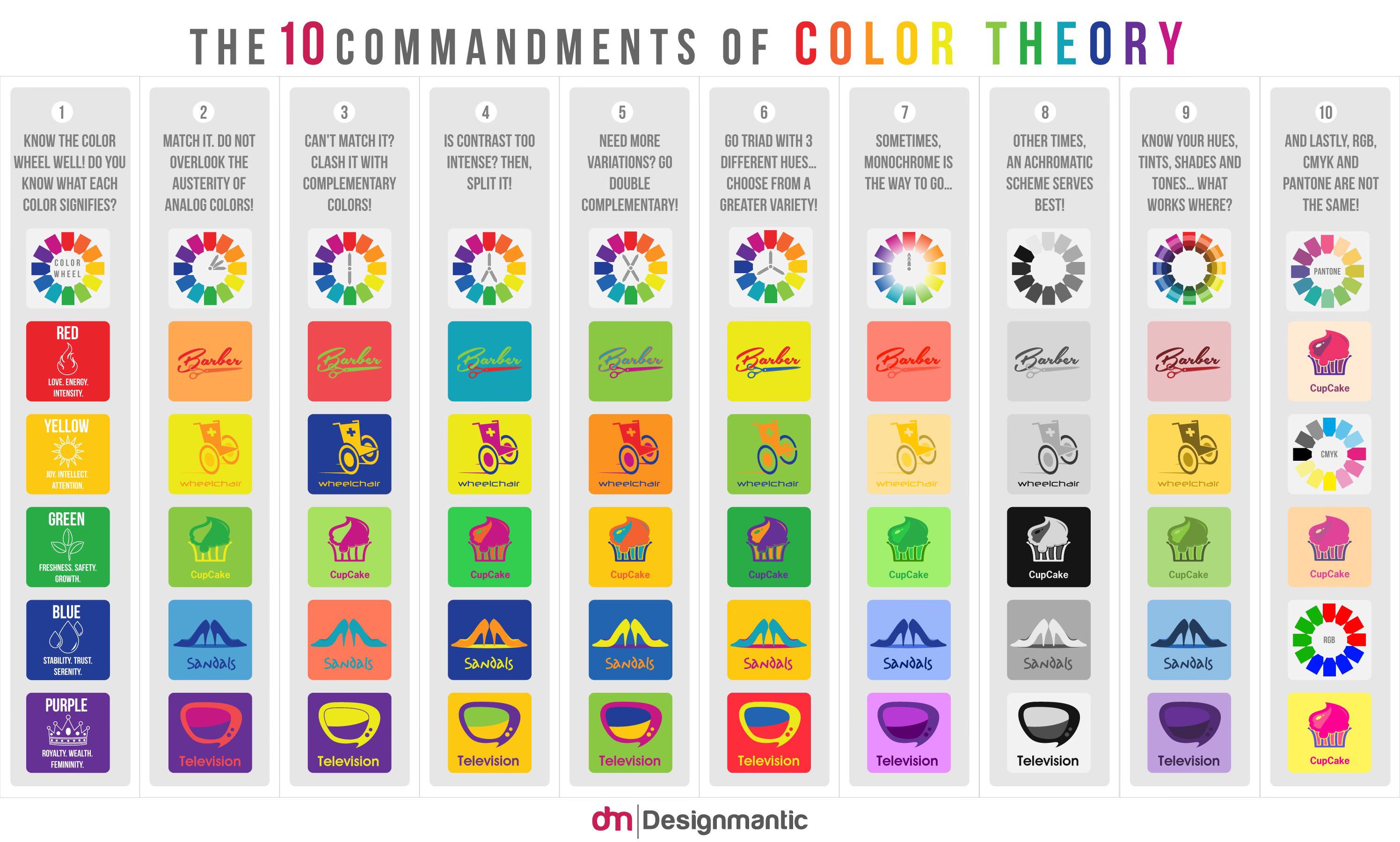
Color Theory & Visual Perception
Color isn’t pretty—it’s psychological and cultural.
Blue feels trustworthy in U.S. contexts (thank banks & healthcare)
Red activates urgency and emotion
Contrast ratios can make or break accessibility
Color informs action, emotion, and most importantly, equity.
Information Architecture & UX Logic
Design is engineering for human logic.
Navigation flows
Content maps
Interaction pathways and decision trees
If someone can’t find what they need, the design didn’t fail—the system failed the user.
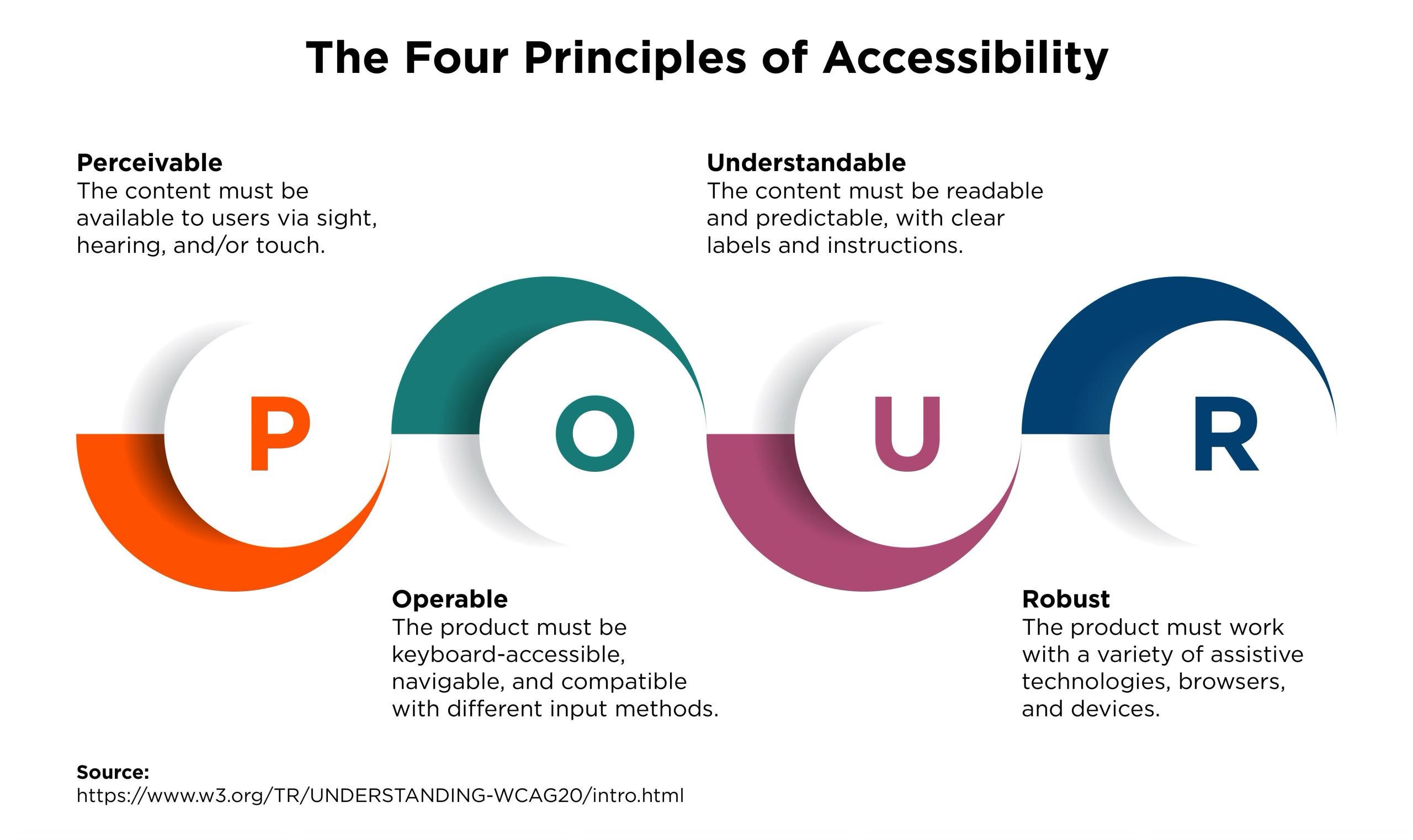
Accessibility Science
Design without accessibility is not design—it’s gatekeeping.
Screen-reader compatibility
Dyslexia-friendly typography
Motor-friendly navigation
Color-blind safe palettes
Alt text and semantic HTML
If your work isn’t built for all bodies and minds, it’s not built for the world we actually live in.
Cultural Intelligence & Visual Language
Design carries power. Design tells stories. Design shapes belonging.
Who sees themselves in the visual world?
Who gets erased?
Whose experiences are assumed as “default”?
Design that honors identity and context is design that respects humanity.
Systems Thinking & Design Ethics
Design builds ecosystems—not layouts. And with that comes responsibility.
What behaviors are we encouraging?
Who benefits from the design?
Who gets left out or harmed?
Design can liberate—or colonize—depending on how it’s practiced.
This is why I take it seriously.
This is why we all should.
Design doesn’t just shape what we see—it shapes how we move, how we learn, how we feel belonging, and how we access information and opportunity. It shapes culture, memory, and the ways we navigate our digital and physical lives. It determines who feels invited into the future and who gets left behind. Those of us who build in this space know that design is not ornamental—it is infrastructure for human experience.
So I want to turn this reflection toward you: When did you first fall in love with design, creativity, or the digital world? Was it a moment, a mentor, a website you couldn’t stop studying, or a project that made you feel powerful for the first time? And what scientific, strategic, or deeply considered part of your craft do you wish more people understood?
Whether you’re a designer, developer, creative technologist, strategist, or simply someone who sees the value in intentional visual communication, your perspective matters. Share your story, your memory, the lesson that shaped you, or the resource that changed how you think. Let’s expand how the world understands creative labor—not as decoration, but as a discipline built on psychology, accessibility, history, technology, and human care. Let’s build a future where design earns not only respect, but investment, dignity, and collective pride.

Denise Zubizarreta is a Ph.D. student in Applied Social Justice at Dominican University, with an M.A. in Arts Leadership and Cultural Management from Colorado State University and a B.F.A. in Fine Art from Rocky Mountain College of Art + Design (RMCAD). She is the creator of the Colonial Stockholm Syndrome (CSS) framework, which she explores in her forthcoming book examining the psychological grip of colonialism on identity, belonging, and political behavior.
She serves as the Director of Development and Communications for the New Mexico Local News Fund and the Engagement and Development Director at Latina Media Co, where she advocates for equitable media ecosystems and the amplification of Latiné voices in journalism and cultural criticism.
As a scholar, cultural operations strategist, and interdisciplinary artist of Puerto Rican and Cuban descent, Denise focuses on colonization’s emotional and systemic legacies within diasporic and immigrant communities. Her research and artwork critically examine how disinformation is used as a tool of control, shaping public perception of immigrants, eroding trust, and reinforcing colonial narratives. Through her work, she bridges academic inquiry and lived experience to expose the roots and repercussions of propaganda in today’s polarized media landscape.